Posted in

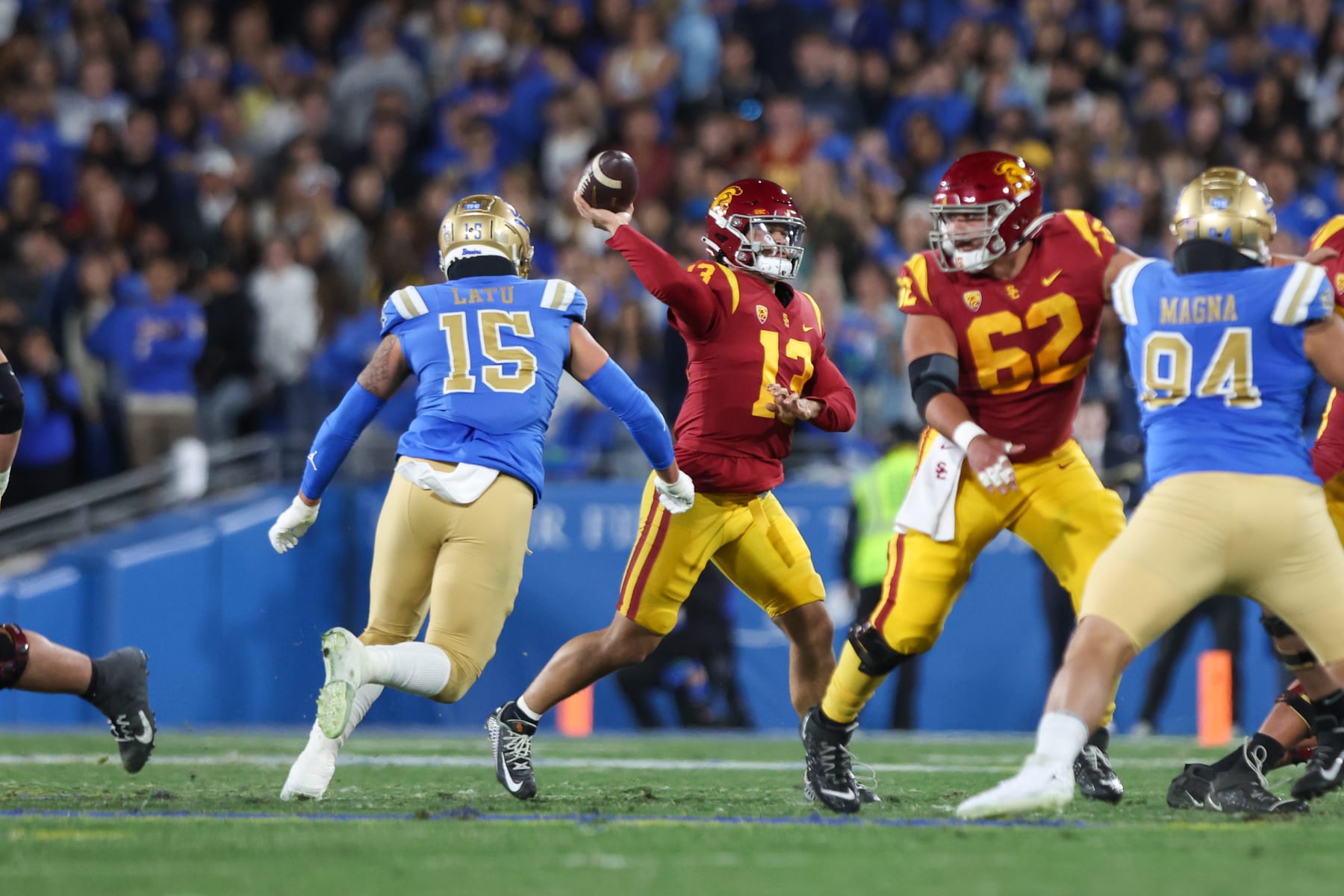
More Than Just a Game: Unpacking the Grand Tradition of College Football Bowl Season

For casual viewers, the College Football Bowl Season might seem like an endless stream of games with peculiar corporate names played during the festive holiday period. Yet, for millions of fans, coaches, and student-athletes, this annual tradition is the very soul of American college football. Starting in mid-December and culminating with the national championship in early January, Bowl Season is a unique celebration steeped in history, regional pride, and substantial economic impact. It’s a postseason unlike any other in sports, where tradition and modern competition collide.


A Century of Tradition: The Origins of the Bowl

The concept of the bowl game dates back to 1902 with the Tournament East-West football game, which would later become the Rose Bowl. Played in Pasadena, California, the name “bowl” originated from the Rose Bowl stadium, whose design mimicked the shape of the Yale Bowl. These early contests were designed as tourist … Read more

Posted in

Unleashing the Inner Marathoner: A Guide to Elite-Level Endurance Training

Endurance is the bedrock of athletic performance, the invisible fuel that allows champions to maintain peak effort when others fade. Training for endurance like an athlete is not about simply running farther or cycling longer; it’s a meticulously planned science focused on enhancing your body’s ability to efficiently transport and utilize oxygen, resist fatigue, and recover faster. Whether you’re an aspiring marathon runner, a dedicated cyclist, or simply seeking to elevate your general fitness, adopting an athlete’s mindset and methodology is the key to unlocking your true potential.


1. The Principle of Polarization: Easy Must Be Easy, Hard Must Be Hard

Elite endurance athletes rarely train at a moderate, ‘comfortably hard’ pace. They use a method called polarized training, which dictates that the vast majority of their training time (upwards of 80%) is spent at a very low intensity, while a small, focused portion is spent at maximal effort.… Read more

Posted in

Beyond Talent: The Ultimate Guide on How to Become a Good Football Player

In the world’s most popular sport, merely loving the game isn’t enough to make you a good football player. The path from enthusiastic amateur to accomplished athlete is a demanding one, requiring a blend of physical mastery, sharp mental toughness, and an unyielding commitment to improvement. Becoming a standout player involves developing skills that go far beyond the ability to kick a ball. It demands an holistic approach to training, where technical drills meet strategic thinking and personal discipline.

If your goal is to excel on the pitch, here is a professional’s roadmap to mastering the essential facets of the game.


1. Mastering the Fundamentals: Technical Excellence

Great players are defined by their flawless execution of the basics. These are the skills you should dedicate the most time to perfecting, as they form the foundation of your game.

  • Ball Control (First Touch): This is non-negotiable. A great first
Read more
Posted in

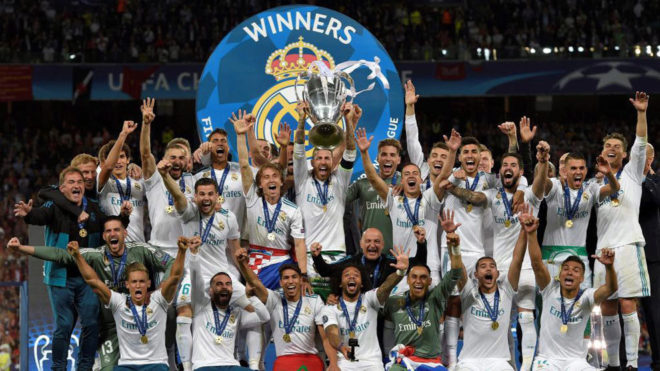
The Global Pantheon of Glory: Decoding the World’s Best Soccer Competitions

Soccer, or football as it is known globally, is more than a sport; it is a universal language spoken by billions. At the pinnacle of this global passion are the competitions that capture the imagination, drive economic power, and define the legacies of players and clubs. Determining the “best” is a complex discussion, requiring a balance of prestige, financial might, competitive depth, and cultural impact. The world’s finest soccer is played across two main battlegrounds: the fleeting intensity of international tournaments and the sustained drama of elite domestic leagues.

The Zenith of Club Football: The UEFA Champions League

When discussing club-level competition, one tournament stands alone for its consistent quality and immense prestige: the UEFA Champions League (UCL).

  • Unmatched Quality and Depth: The UCL annually pits the elite clubs from Europe’s top leagues against one another. Unlike leagues that can feature less competitive matches, the Champions League group and knockout
Read more
Posted in

Exploring the Cultural and Economic Power of College Football

College Football in the United States is a phenomenon that transcends mere sport; it is a deep cultural institution, an economic behemoth, and a passionate, often volatile, reflection of American identity. Unlike the professional, revenue-sharing model of the NFL, the NCAA’s top-tier football—specifically the Football Bowl Subdivision (FBS)—operates as the financial engine for entire university athletic departments, driven by fierce regional loyalties and century-old traditions.

The Engine of the Athletic Department

For many major universities, the football program is not just a team, but the financial cornerstone of the entire athletic enterprise. The revenue generated by a successful football program often subsidizes non-revenue-generating sports, commonly referred to as “Olympic sports” (swimming, track, gymnastics, etc.), ensuring the overall health and diversity of the school’s athletics.

Massive Revenue Streams

The colossal earnings of college football generate through several key channels:

  • Media Rights Deals: This is the most significant financial driver. Major conferences
Read more