For decades, the global landscape of football was divided cleanly into two spheres: domestic domestic leagues and international continental tournaments. Fans watched their local clubs compete for domestic titles during the weekends and turned to mid-week continental action for cross-border matches. Today, structural shifts in tournament design are blurring these traditional boundaries.
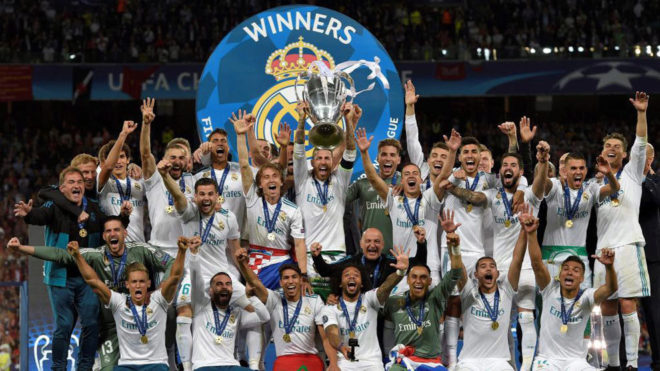
International football competitions are evolving from temporary tournaments into persistent, league-style global spectacles. Through structural expansion and revamped formats, the modern game is redefining how clubs build prestige and engage an increasingly global audience.
1. The Transformation of European Continental Competitions
The classical format of European club competition—eight groups of four teams competing in a round-robin format—served as the industry standard for decades. However, demands for higher broadcast revenue, expanded fixture lists, and guaranteed high-stakes matches led to a fundamental structural overhaul.
The Swiss-Model League Phase
The transition away from traditional group stages replaced localized four-team groups with a single 36-team league phase. Under this architecture:
- Each qualified team faces eight different opponents across the league phase (four home, four away).
- Teams are ranked within a unified league table, where every goal scored and conceded directly impacts seeding for the knockout rounds.
- The top eight teams advance automatically to the Round of 16, while teams ranked 9th through 24th must fight through a two-legged playoff.
This system eliminates “dead rubber” matches late in the opening stage, ensuring that elite clubs cannot afford to rotate squads heavily during early matchdays.
Credit David Ramos/David Ramos
36-Team League Phase
A unified table replacing localized groups in top European competition
SNS Group via Getty Images
8 Matchdays
Four home and four away fixtures against distinct opponents
Top 8 Bye
Direct entry to Round of 16
9th–24th Playoff
Two-legged knockout round
2. Global Club Expansion: The Quadrennial Model
The expansion of international leagues is not limited to Europe. FIFA’s overhaul of global club competition restructured the annual seven-team winter tournament into a full-scale 32-team quadrennial championship.
Bridging Continental Divides
By bringing together 12 European clubs, six South American teams, and representatives from Asia, Africa, CONCACAF, and Oceania, the quadrennial tournament creates a true global league environment.
- Competitive Equity: Non-European giants, particularly top South American and Asian sides, receive regular opportunities to test their squads against European powerhouses in meaningful, official matches.
- Global Financial Distribution: Substantial prize pools distributed to participating clubs help bridge the growing financial disparity between European domestic leagues and the rest of the world.
- Neutral Venue Dynamics: Hosting multi-week tournaments in major soccer markets—such as North America—allows international clubs to build permanent fanbases outside their home regions.
3. Economic Driving Forces and Broadcast Shifts
The structural re-engineering of international leagues is closely tied to the shifting realities of sports media and consumer behavior.
High-Margin Fixtures
Broadcasters and streaming providers demand consistent, top-tier matchups to maintain subscriber retention. Under older formats, elite teams often cruised through group stages against significantly weaker opponents. The expanded league phase model guarantees high-profile encounters between continental champions right from the start of the season.
Multi-Market Sponsorships
Clubs competing in international league formats are no longer appealing solely to local target demographics. Sponsors purchase kit real estate and partnership rights with the expectation of year-round exposure in Asia, North America, the Middle East, and Latin America.
4. Player Welfare and Squad Depth Challenges
While expanded international leagues generate record revenues and elevated fan engagement, they introduce significant logistical challenges regarding player workload.
Managing Calendar Congestion
With international competitions adding additional high-intensity fixtures to the autumn and winter schedules, elite clubs are forced to adapt their operational strategies:
- Roster Expansion: Clubs must build deeper 25-man squads capable of maintaining tactical consistency despite frequent rotation.
- Sports Science Integration: Advanced workload tracking, cryotherapy, and customized recovery schedules have shifted from luxury additions to mandatory operational necessities.
- Tactical Versatility: Managers must develop flexible tactical systems that allow squad players to seamlessly execute game plans when starters rest.
Conclusion
The evolution of international football leagues marks a permanent departure from traditional regional isolation. As continental competitions transition into comprehensive league structures and global tournaments expand to mirror international World Cups, top-tier football is becoming more connected than ever. While managing squad fatigue remains a critical operational challenge, the appetite for high-stakes, cross-border competition ensures that international leagues will continue to dictate the future of the sport.