A day on the water often begins with the anticipation of relaxation, but that experience can shift quickly when a motor refuses to start or an aging deck shows signs of wear. Owning a boat involves ongoing stewardship. Whether you are addressing mechanical quirks that appear after a winter of storage or looking to transition into a different craft, managing the health of your vessel or finding a reliable pre-owned option requires a methodical approach. For boaters in this region, understanding the maintenance landscape and the considerations for purchasing is the first step toward worry-free time on the lake.
The Challenges of Maintaining Marine Equipment
Marine environments are inherently demanding. The combination of moisture, temperature fluctuations, and the physical stress of propulsion creates a unique set of challenges for any boat. Many owners find that issues are rarely singular; a minor electrical fault or a subtle mechanical hesitation often points to an underlying condition that has been developing over time.
One common frustration involves the complexity of modern engine systems. While these systems offer greater efficiency and power, they also rely on intricate electronic control modules that can be sensitive to environmental exposure. When an engine does not perform as expected, attempting a temporary fix or relying on generic advice can sometimes mask the root cause, leading to more significant damage later. Seeking professional boat repair near me allows for a comprehensive diagnosis rather than superficial symptom management. A qualified technician does not just address the immediate failure; they look at the entire system—fuel lines, cooling passages, and electrical integrity—to ensure that the repair provides long-term reliability.
How Marine Maintenance Generally Works
Effective maintenance is built on the principle of prevention. Marine systems are designed to operate within specific tolerances, and those tolerances narrow as components age. A professional service visit typically starts with a thorough inspection of the engine and hull.
The process generally includes:
- Fluid and filter evaluation to ensure lubricants and fuel remain clean.
- Assessment of the electrical system, specifically checking for signs of corrosion on connectors.
- Inspection of the propeller and lower unit, which are prone to damage from submerged debris.
- Verification of steering and throttle responsiveness, which are critical for safe operation.
When choosing a service provider, focus on their process for documentation. A reliable shop will explain what they found, why they are recommending specific parts, and how they arrived at their assessment. This transparency is the mark of a service partner who values your long-term relationship with your boat, rather than simply turning around a quick repair.
Key Considerations for Finding Used Pontoon Boats
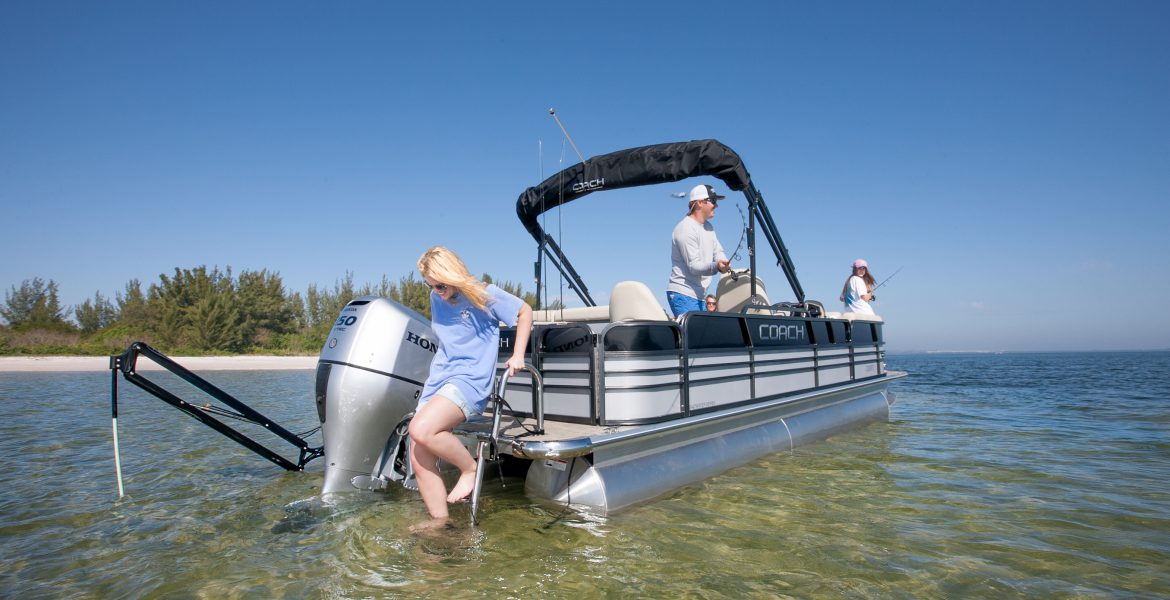
Pontoons have become a common choice for families and recreational boaters because of their versatility and stable platform. However, buying a pre-owned vessel requires a discerning eye. Because these boats have large surface areas and complex deck structures, the most important aspects of an inspection often lie in areas that are not immediately visible.
When searching for used pontoon boats for sale near me, consider the following factors:
- Structural Integrity of the Tubes: The aluminum pontoons are the foundation of the craft. Look for signs of excessive patching, deep dents, or areas where the metal may have thinned due to corrosion.
- Decking and Upholstery Condition: While cosmetic issues are easy to identify, soft spots in the flooring can indicate water intrusion into the wood or support structure beneath. Similarly, while upholstery can be replaced, extensive mold or dry rot in the seating may suggest the boat has spent significant time uncovered or in a damp environment.
- Engine Hours and Service History: A high-hour engine is not necessarily a disqualifying factor, provided it has been serviced regularly. Ask for maintenance records. A boat with a documented history of professional care is typically a more reliable investment than one with lower hours but no evidence of upkeep.
Practical Approaches to Boat Ownership and Upgrading
The transition to a different boat is a significant decision. Whether you are upgrading to a vessel with more features or looking for a simpler model that requires less frequent maintenance, the goal is to align your purchase with your actual usage patterns.
If you are currently in the market, start by defining what your time on the water looks like. Are you primarily fishing, or is the boat used for socializing? These activities demand different hull shapes and deck layouts. Taking the time to inspect potential boats in person—ideally with a third-party marine surveyor if you are unfamiliar with the technical aspects of hull construction—can prevent costly oversights.
Furthermore, building a relationship with a local service center before you experience a breakdown is a proactive strategy. When you find a shop you trust for regular winterization and seasonal prep, you are already positioned to receive priority service if an unexpected issue arises during the peak boating season.
A well-maintained boat remains a source of enjoyment for many seasons. By prioritizing regular professional inspections and approaching the selection of a pre-owned vessel with careful scrutiny, you protect your time on the water from the disruptions of avoidable failures. Take the time to evaluate your needs, consult with professionals, and invest in the maintenance that keeps your craft running reliably.