Fantasy Football is no longer just a casual pastime; it is a global cultural phenomenon, a multi-billion-dollar industry, and a complex game of skill, strategy, and agonizing luck. It transforms the act of passively watching professional football into an intense, personalized management simulation. Turning millions of ordinary fans into general managers, scouts, and statisticians. The deep immersion, the constant analytical work, and the social bonds forged (and occasionally strained) in fantasy leagues define the modern football viewing experience. Understanding Fantasy Football is understanding a new layer of sports engagement—one where the thrill of Sunday is matched only by the anxiety of Tuesday’s waiver wire.
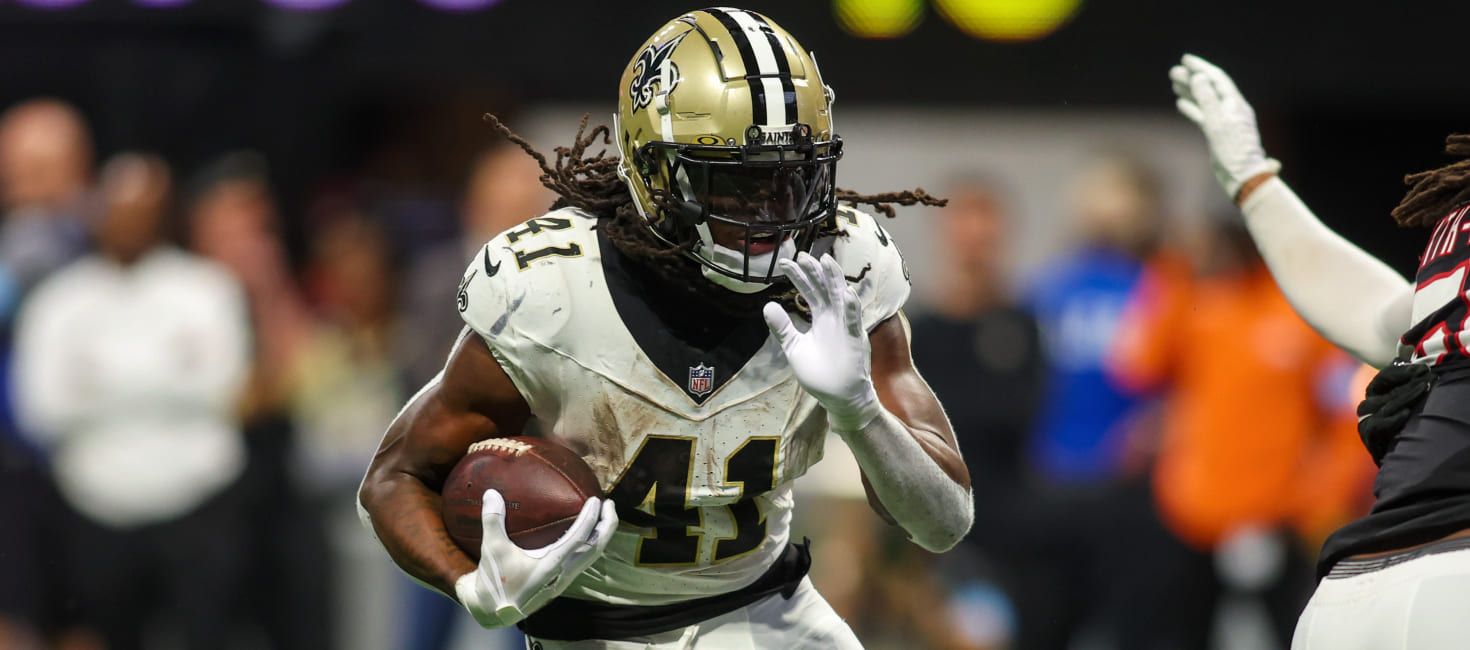
The Evolution: From Casual Hobby to Analytical Pursuit
The roots of fantasy football lie in simple paper drafts and manual scorekeeping, often relying on rudimentary newspaper statistics. Today, the game is driven by massive data streams, sophisticated algorithms. And real-time updates that turn every yard gained and every tackle missed into immediate, consequential points.
The Data Revolution
Modern fantasy football players leverage a vast array of resources, reflecting the game’s shift toward an analytical pursuit:
- Advanced Metrics: Beyond basic touchdowns and yards, players now analyze targets, red-zone touches, snap counts, and expected points (xP) metrics to gain a predictive edge.
- Waiver Wire Warfare: The weekly process of claiming free agents requires foresight, understanding matchup advantages, and often, aggressively “spending” the limited Free Agent Acquisition Budget (FAAB) on potential breakout players.
- Player Props and Game Scripts: Successful managers learn to predict the narrative of a football game (the “game script”)—will it be a high-scoring shootout. Or a defensive slog?—to better project the performance of their selected players.
This necessity for constant research and data application is what elevates fantasy football. From a simple game of chance to a genuine test of strategic planning and market efficiency.
The Draft: A Microcosm of the Season
The annual fantasy draft is the emotional and strategic cornerstone of the season. It is the single most important decision-making event. Where hours of preseason analysis are condensed into a few pressured minutes per pick.
- Risk Management: Managers must constantly weigh the risk of high-upside players (rookies or those coming off injury). Against the safety of established veterans, balancing the need for reliable weekly production with the pursuit of league-winning breakout stars.
- Positional Scarcity: Draft strategy is often dictated by the scarcity of elite talent at certain positions, particularly running back and tight end. Knowing when to draft the irreplaceable talent versus. When to wait on a deeper position is the hallmark of a successful draft.
- The Social Dynamic: The draft is also a crucial social event. It is where trash talk begins, where rivalries are solidified. And where managers reveal their biases—often drafting players. From their favorite teams, despite what the data suggests, leading to immediate scrutiny and mocking.
A successful draft provides the necessary foundation, but the true challenge lies in the weekly management that follows.
The Psychological Toll: Anxiety and Triumph
The emotional investment in fantasy football is immense, creating a weekly roller coaster of anxiety, triumph. And despair that mirrors the intensity of the actual NFL games.
- Split Loyalties: Fans often experience “split loyalties,” simultaneously cheering for their favorite NFL team to win while hoping that a running back on the opposing team—who happens to be on their fantasy roster—breaks a big run.
- The Injury Factor: Nothing derails a season faster than a star player suffering an injury on a Sunday afternoon. The immediate rush to check waiver reports and mourn the loss of production is a shared, communal experience among fantasy players.
- Transactional Stress: The decision to bench a struggling star for a hot free agent is fraught with psychological risk. If the bench player explodes for 30 points, the manager is hailed as a genius; if the bench player scores zero, the manager is subjected to league-wide ridicule.
This intense, personal connection to the outcomes of dozens of players across different NFL teams is what makes fantasy football so uniquely captivating and stressful.
The Social Glue: Community and Competition
Beyond the individual thrill of winning, fantasy football serves as powerful social glue, cementing friendships and creating annual traditions.
- League Dynamics: Fantasy leagues often become year-round communities. The internal ecosystem, complete with league constitutions, punitive punishments for last place (known as “sacks”), and custom trophies, gives the league a unique identity.
- Interpersonal Rivalries: The game creates intense, personal rivalries within the league, allowing friends, family, and colleagues to compete directly, adding a layer of personal stakes to the football season that transcends local team fandom.
The communal trash talk and shared pursuit of the championship belt transform what could be isolated research into a deeply social and competitive experience.
Conclusion: The Game Within the Game
Fantasy Football has evolved into a sophisticated blend of sports fandom, financial analysis, and social networking. It demands strategic thinking, relentless data consumption, and the emotional resilience to withstand weekly upsets. It offers millions the opportunity to experience the thrill of team management and the satisfaction of proving their predictive acumen. As technology continues to integrate deeper into the sport, fantasy football will only grow, solidifying its role as the essential “game within the game” for the modern football enthusiast.