The professional soccer coach, or “manager” in many parts of the world, is arguably the most demanding and scrutinized leadership role in global sports. They are no longer simply tacticians who run drills; they are complex figures who must master an array of disciplines: from applied sports science and data analytics to man-management and high-stakes media relations. The modern coach operates at the intersection of psychology, strategy, and organizational leadership, acting as the ultimate architect of the club’s on-field identity and off-field culture.
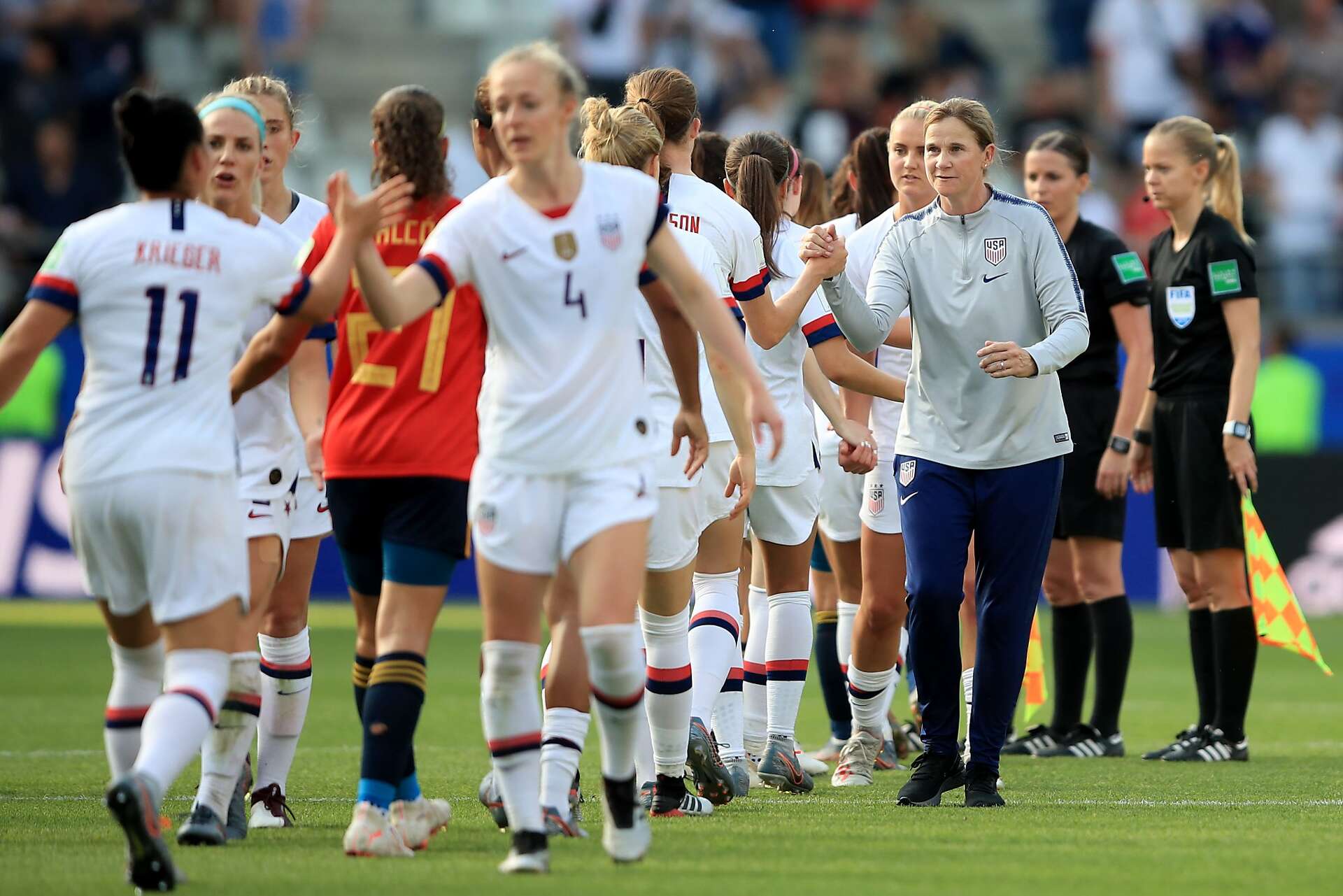
The Evolving Art of Tactical Acumen
The bedrock of a coach’s role remains strategy, but the nature of that strategy has evolved dramatically with the game’s complexity.
- Positional Play and Fluid Systems: Rigid formations are increasingly obsolete. Modern coaching emphasizes tactical flexibility and “Positional Play” (known as Juego de Posición), where players must understand the collective structure and adapt their roles fluidly based on the ball’s position. Coaches must train players to be positionally versatile and capable of executing high-intensity pressing or deep defensive blocks within the same match.
- Data-Driven Decisions: The tactical brief is now inform by vast amounts of data. Coaches and their staff utilize sophisticated video analysis and statistical metrics (expected goals, pressing intensity, ball progression rates) to scout opponents, identify personnel weaknesses, and refine their own training methodologies. Decisions, from substitutions to penalty strategies, are increasingly rooted in statistical probability.
- The Training Methodology: Training sessions are no longer repetitive drills. Modern coaches implement Periodization—a structured approach that meticulously manages the intensity and volume of training across the season. This ensures players peak for competitive matches while minimizing the risk of injury and physical burnout.
The Psychological and Social Architect
The ability to manage human beings in a high-pressure, elite environment is often the differentiator between a good coach and a truly great manager.
- Man-Management and Culture: A professional squad is a melting pot of global personalities, egos, and communication styles. The coach must act as a mentor, motivator, and sometimes, a stern parent. They cultivate a strong team culture that prioritizes collective success over individual glory, effectively managing the fragile dynamics of a locker room.
- The Emotional Quotient (EQ): Exceptional coaches possess high emotional intelligence. They know when to offer public praise, when to deliver private criticism, and how to motivate a multimillion-dollar athlete who may be struggling with confidence or personal issues. Their ability to connect with players on a human level often unlocks peak performance.
- Mental Toughness Training: Modern coaching integrates sports psychology. Coaches work with mental skills specialists to help players develop resilience, manage performance anxiety, and maintain focus in high-stakes matches. The mental aspect of the game is now treated with the same seriousness as the physical.
Organizational Leadership and Club Vision
Beyond the technical area, the manager is a key figure in the club’s entire operational structure.
- Recruitment Strategy: The coach works closely with the Sporting Director and scouting team to identify and recruit players who not only possess the requisite skill but also fit the coach’s specific tactical system and the club’s culture. They are responsible for communicating the long-term vision for the squad.
- Media and Public Face: In the modern game, the manager is the club’s primary spokesperson. They must be adept at handling intense media scrutiny, managing expectations, and protecting the players from external pressure. Their press conferences often set the tone for the club’s relationship with the fans and the media.
- Youth Development Integration: A sustainable club relies on a consistent stream of talent from its academy. The coach oversees the integration of the youth philosophy into the senior team, ensuring that academy players are developed with the first team’s tactical requirements in mind.
In essence, the role of a professional soccer coach has evolved from being an instructor to becoming a comprehensive CEO of the sporting division. The successful coach must possess the strategic depth of a chess master, the emotional intelligence of a therapist, and the organizational skills of a top executive. It is a relentlessly challenging, high-turnover profession, but for those who master its complex demands, the reward is the unparalleled ability to shape the world’s most beautiful game. (Word Count: 578)