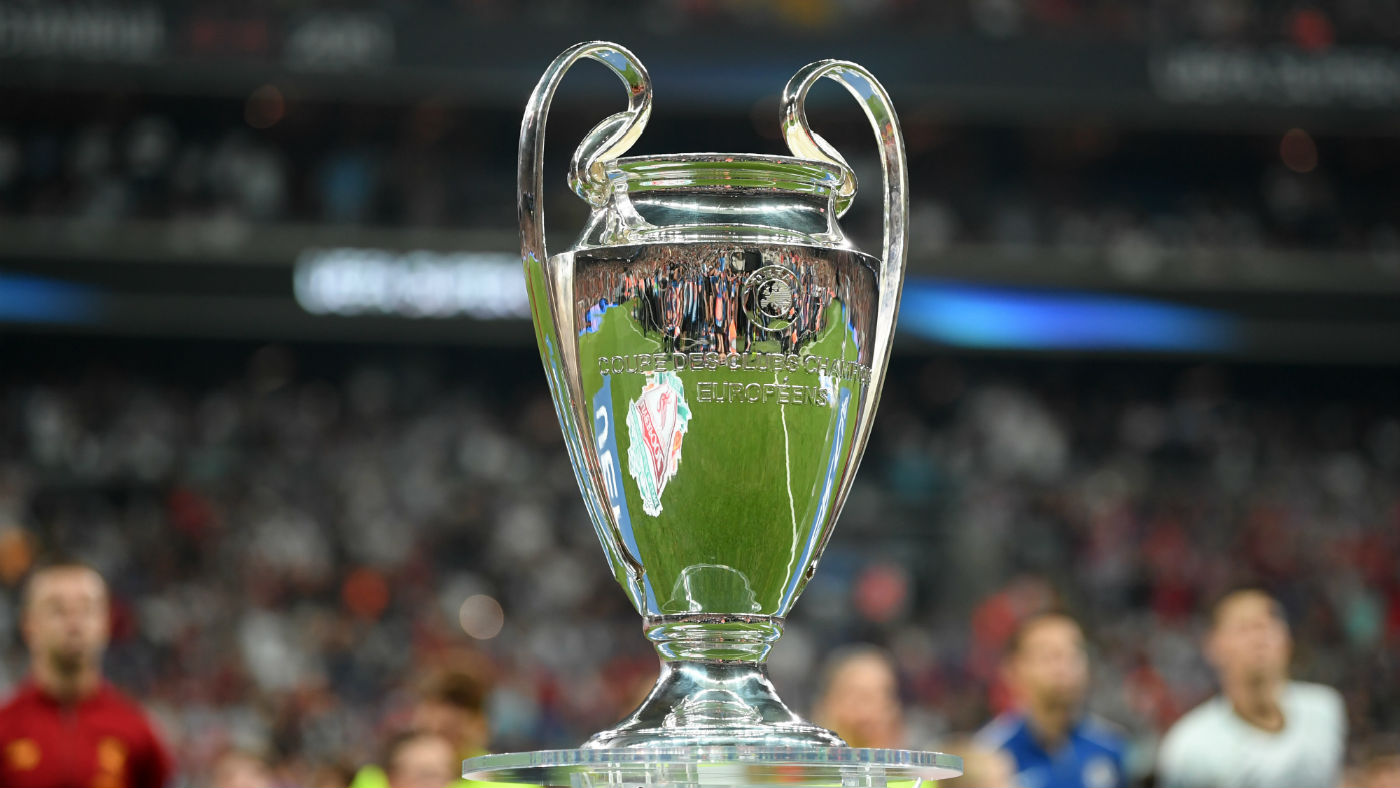
The anthem of the UEFA Champions League (UCL) is not just a piece of music; it is a global siren, signalling the start of the most elite, dramatic, and financially dominant annual competition in world football. What began in 1955 as the modest European Champion Clubs’ Cup—a simple knockout contest for domestic league winners—has evolved into a multi-billion euro spectacle that pits the finest clubs and most dazzling talents in Europe against each other, year after year. For any club, winning the UCL is the ultimate validation of their quality, strategy, and power.
An Evolution of Excellence: From Knockout to Group Stage Drama
The UCL’s transformation is key to its current supremacy. The early years, dominated by giants like Real Madrid, were defined by a straight knockout format. However, the rebrand and restructuring in the early 1990s introduced elements of modern competition that elevated it far beyond its predecessor.
- The Group Stage Intensity: The introduction of a round-robin group stage in the 1990s ensured more games between top clubs, guaranteeing high-quality content for broadcasters and fans. This format also allows for thrilling comebacks and ‘winner-takes-all’ scenarios in the final matchdays.
- Multiple Entrants: By allowing non-champions from Europe’s top leagues (currently the top four in the strongest leagues) to participate, the UCL cemented its position as a super-league of the continent’s wealthiest and most competitive clubs, drastically increasing the overall competitive level.
The Financial Engine: Fueling Global Dominance
The Champions League is not just a sporting event; it is a massive economic power driver that dictates the financial health and transfer market strength of European clubs.
- Colossal Revenue Streams: The competition generates billions of euros annually, primarily from global broadcasting rights and lucrative centralized sponsorship deals. This revenue is distributed among participating clubs based on performance and market value, creating a significant competitive and financial advantage for those who qualify consistently.
- Prize Money and Solidarity: Clubs that advance deep into the tournament—the semi-finals or the final—receive enormous performance-based payouts. Furthermore, the UCL system includes solidarity payments to non-participating clubs in UEFA nations, helping to support the wider European football ecosystem.
- Attracting World-Class Talent: The combination of financial rewards and the prestige of the platform allows UCL clubs to offer the highest salaries and transfer fees, ensuring that the vast majority of the world’s best players ply their trade in the European top divisions.
The Theater of the Impossible: Iconic UCL Moments
The tournament is legendary for producing moments of pure sporting magic, fueled by high stakes and the brilliance of world-class players. These are moments that cement legacies and become part of football folklore.
- The Miracle of Istanbul (2005): Liverpool’s comeback from a 3-0 halftime deficit against AC Milan to win the final on penalties remains arguably the greatest final recovery in history.
- The Treble-Winner (1999): Manchester United’s dramatic injury-time turnaround against Bayern Munich in Barcelona secured a historic treble for the club.
- La Remontada (2017): Barcelona’s unprecedented 6-1 second-leg victory against Paris Saint-Germain, overcoming a 4-0 first-leg defeat, showed the potential for the impossible in the knockout stage.
- Zidane’s Volley (2002): Zinedine Zidane’s spectacular, winning volley for Real Madrid in the final against Bayer Leverkusen is widely regarded as one of the greatest goals ever scored in a final.
The Tactical Laboratory
The Champions League is the ultimate tactical melting pot, where the best coaching minds test their philosophies against different football cultures—from the possession-based dominance of Tiki-Taka to the intense Gegenpressing styles. It is a competition that forces constant innovation and adaptability, reflecting the most advanced trends in global football strategy.
In conclusion, the UEFA Champions League is more than a trophy; it is a sustained, high-octane celebration of club footballing excellence. Its history, financial muscle, and capacity for unforgettable drama ensure that for many, it remains the most prestigious annual prize in the beautiful game. (Word Count: 559)